Grand Egyptian Museum: a first walkthrough
The new plateau museum reshapes how visitors meet Tutankhamun's world. We map the main chronological spine and the galleries that deserve unhurried time.

Independent place notes · Updated 2026
We write unhurried guides to galleries, archaeological halls, and riverside collections — the kind of visits where you read a label twice and still wonder how a stone face survived four millennia.
Start with the Grand Egyptian Museum
Each guide is written as a walking companion — what to notice first, how rooms connect, and which corners reward a second pass.
The new plateau museum reshapes how visitors meet Tutankhamun's world. We map the main chronological spine and the galleries that deserve unhurried time.
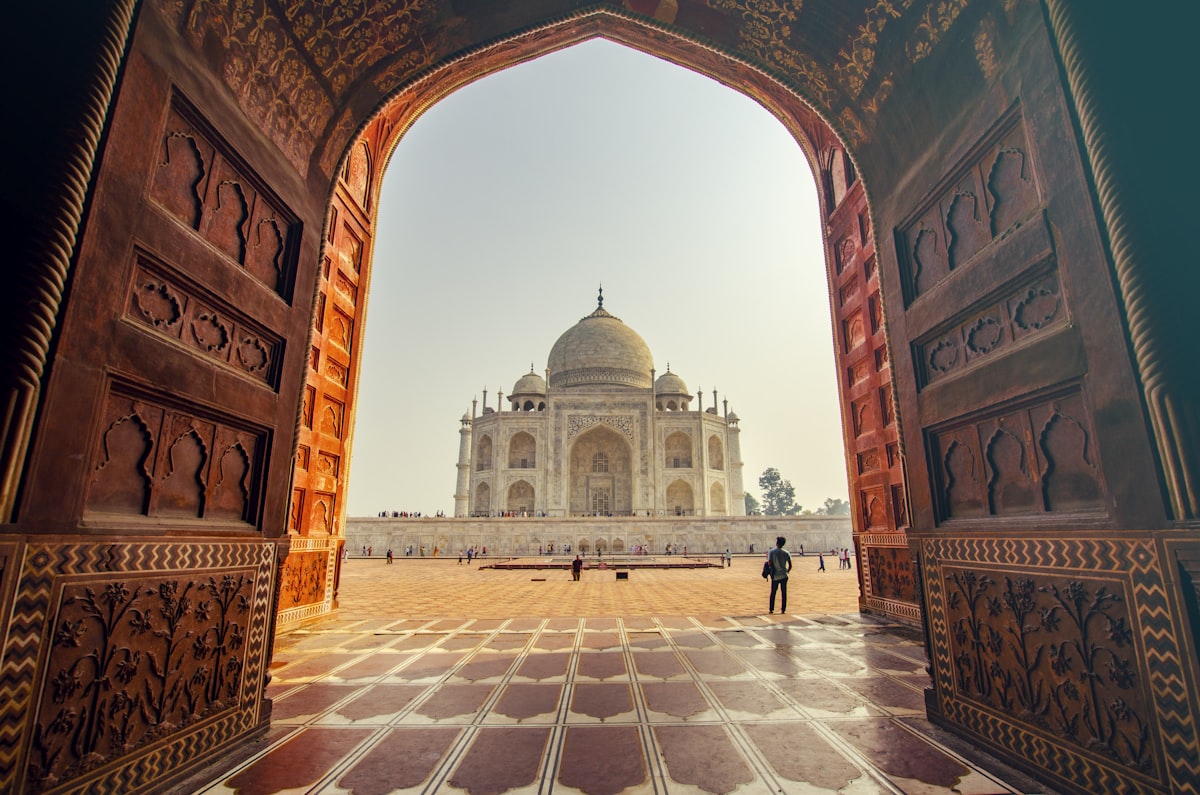
The rose-pink palace still holds the weight of a century of excavation. A room-by-room primer for first-time visitors.
From prehistoric villages to royal mummies — NMEC tells Egypt as a continuous story, not a sequence of dynasties.
Ceramics, metalwork, and calligraphy in a restored palace — a quieter counterpoint to pharaonic halls.
Small by Cairo standards, precise by any measure — statues from Karnak and the Theban necropolis in intimate light.
A garden museum devoted to Nubia's art, displacement, and resilience — one of Egypt's most thoughtfully landscaped sites.
Icons, textiles, and stone from Egypt's early Christian centuries — often overlooked on rushed itineraries.
How to pair two collections without museum fatigue — timing, shade breaks, and when to stop reading labels.
"A museum is not a warehouse of objects. It is a room where time folds and you are allowed to stand inside the fold."— Editorial note, Muse Visit Journal